Declutter Your Space, Declutter Your Mind: The Complete Home Organization Guide
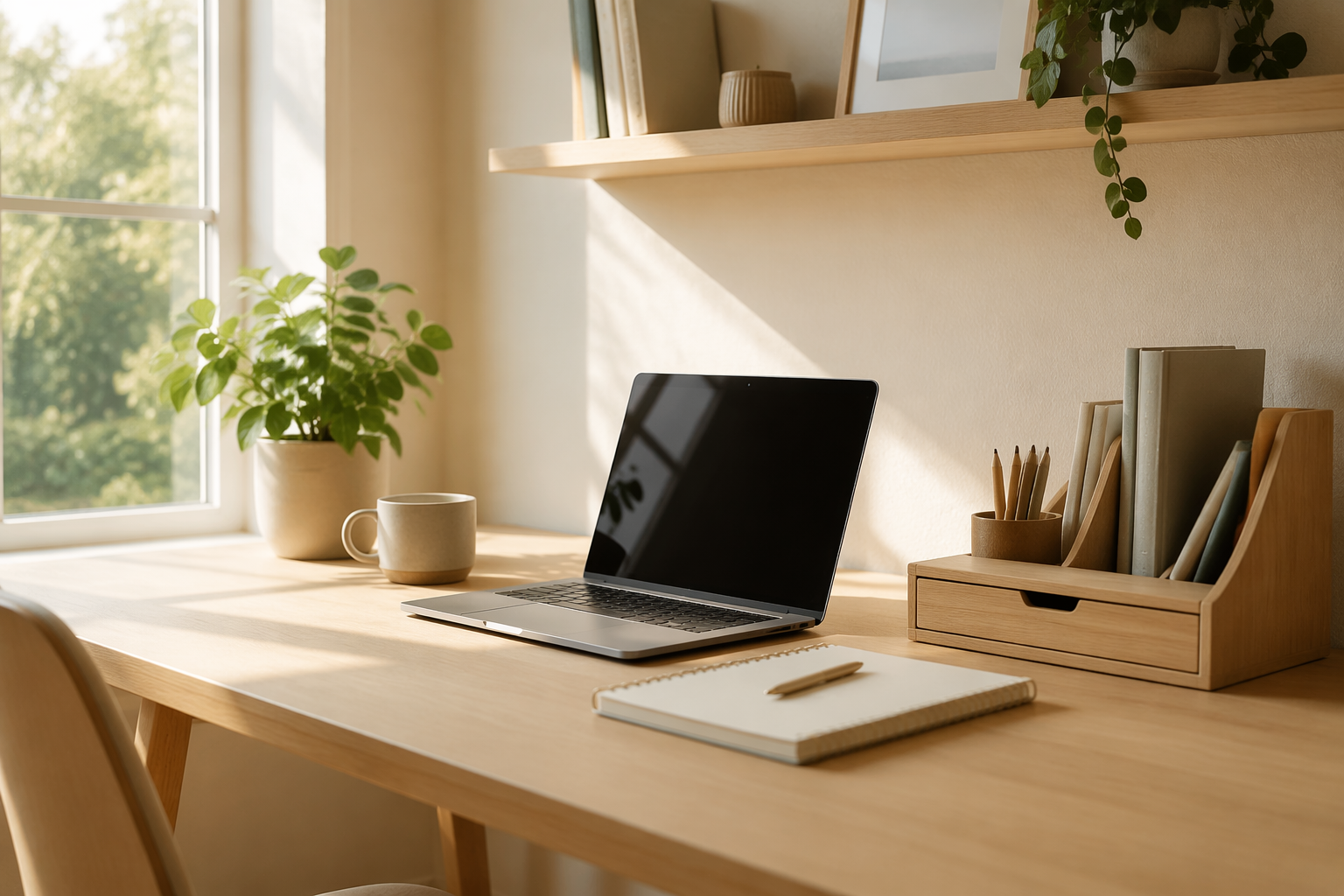
Ever walk into a room and feel your energy drain — not because of anything that happened, but because of everything that’s piled up? You’re surrounded by stuff: papers on the counter, clothes on the chair, gadgets you forgot you owned. The clutter isn’t just visual noise. Research shows that disorganized environments elevate cortisol levels, reduce focus, and chip away at your sense of control. This article shares practical strategies to reclaim your space and your peace of mind.
Why Clutter Affects Your Mental Well-Being
Clutter is rarely just about stuff. It’s about unmade decisions — the mail you haven’t opened, the hobby supplies you meant to use, the gifts you feel guilty discarding. Each item represents a tiny mental load that accumulates into chronic low-grade stress. A study from UCLA’s Center on Everyday Lives and Families found that women who described their homes as cluttered had higher cortisol levels throughout the day. The good news? The reverse is also true: organized spaces promote calm, clarity, and a greater sense of agency over your life.
The Three-Question Decluttering Method
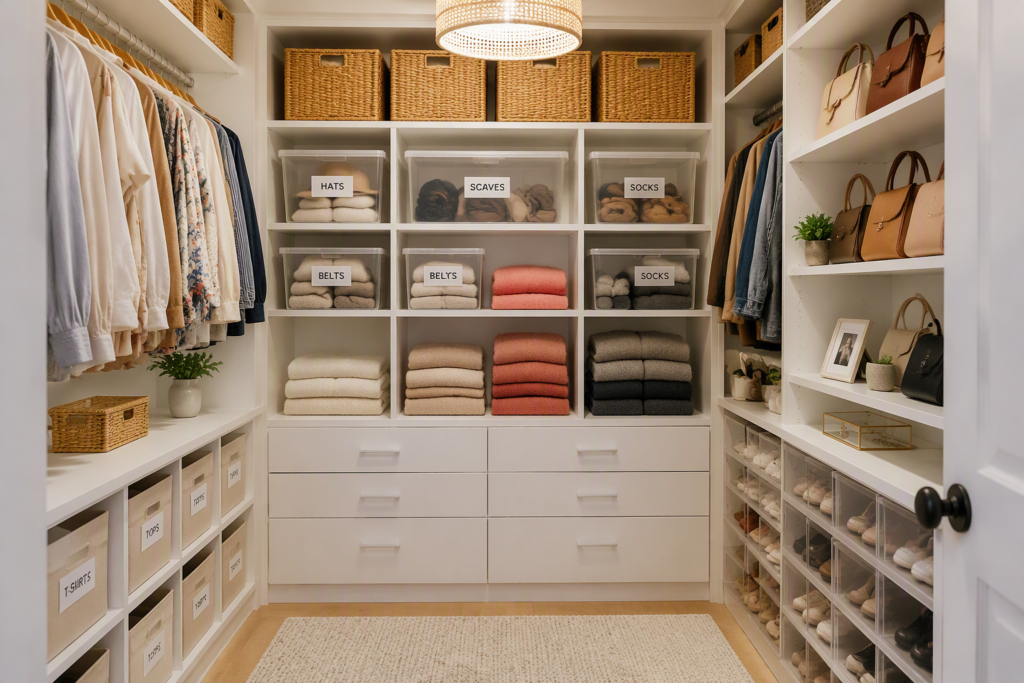
Before you buy another storage bin, start with a ruthlessly simple filter. For every item in your home, ask three questions: Have I used this in the past year? Would I buy this again today? Does this item contribute to the life I want to live? If the answer to all three is no, it’s time to let it go. This method, inspired by Marie Kondo but stripped down for busy people, prevents the most common decluttering trap: moving things from one pile to another without actually reducing volume. Once you’ve filtered, organize what remains with clear storage solutions — labeled bins, drawer dividers, and shelf risers that make everything visible and accessible.
The One-In-One-Out Rule That Keeps Clutter from Coming Back
Decluttering isn’t a one-time event. Without a maintenance system, the chaos creeps back within weeks. The simplest rule: for every new item that enters your home, one similar item must leave. New sweater? Donate an old one. New kitchen gadget? Retire the rusted tool it replaces. This home organization strategy creates a zero-sum game where your possessions never outgrow your space. Pair this with a quarterly 15-minute sweep of each room — set a timer, grab a donation bag, and move fast without overthinking.
Small Spaces, Big Impact: Organization for Apartments
Living in a compact space doesn’t mean accepting permanent clutter. Vertical storage transforms unused wall space into functional zones — floating shelves above doorways, over-the-door organizers for bathrooms, wall-mounted fold-down desks for work-from-home corners. The home organization tools that work best in apartments serve multiple functions: an ottoman with hidden storage, a bed frame with built-in drawers, a nesting side table set that tucks away when guests arrive. The goal isn’t minimalism for Instagram — it’s creating breathing room in the space you actually live in.

Building a Decluttering Routine That Actually Sticks
Motivation fades. Systems endure. Instead of relying on “the mood to clean,” build decluttering into your existing rhythm: the 5-minute nightly reset — return everything to its home before bed; the Sunday basket sweep — gather misplaced items into one basket and distribute them; the seasonal deep dive — one full day per season to reassess closets, pantries, and storage areas. A productivity workbook can help you schedule these routines and track your progress, turning organization from a dreaded chore into an automatic habit that frees up mental energy for what truly matters.
The Hidden Productivity Boost of an Organized Home
When your physical environment is in order, your mind follows. You stop wasting 10 minutes searching for car keys. You don’t double-buy batteries because you can’t find the pack you know you own. You sit down to work without first clearing a mountain of paper off your desk. These micro-frictions add up to hours of lost productivity every week. Eliminating them through consistent organization creates compound returns — more time, less stress, sharper focus. If procrastination has been holding you back from starting, explore focus-building techniques that work hand-in-hand with an organized environment to supercharge your daily output.
Real-Life Transformation Stories
Sarah, a mother of two and remote worker, spent six months feeling overwhelmed by her home office. “Papers everywhere, cables tangled, kids’ art projects on every surface,” she recalls. After applying the three-question method and implementing a Sunday reset routine, she reclaimed her workspace — and her productivity. “I finish work on time now. The mental fog lifted the moment the clutter disappeared.” James, a recent downsizer, used a monthly decluttering checklist to transition from a four-bedroom house to a two-bedroom apartment without renting storage. “I thought I needed all that stuff. Turns out, I just needed a system.”
Your Path to a Calmer, More Organized Life
Clutter didn’t accumulate overnight, and it won’t disappear overnight either. Start with one drawer. One surface. One category — maybe just your socks or your spice rack. Build momentum from small wins. For a structured approach, pair these strategies with time management tools to schedule decluttering sessions, and use a stress relief guide to manage the emotional resistance that often comes with letting go. The goal isn’t a showroom-perfect home. It’s a space where you can breathe, think, and live without the constant background hum of things demanding your attention. Start small. Stay consistent. Watch your space — and your mind — transform.









Leave a comment